
AI in Trading 2026: Fable Returns – to be greeted by a Kill Switch
Fable Is Back – but the Conversation Has Moved to Export Controls, Kill-Switches, and the Importance of Governing the Stack, Not Just the Agent Nineteen days after the Commerce Department pulled Mythos & Fable offline over an unspecified national-security concern, export controls were lifted on June 30, and Fable began returning to Claude tiers and platforms […]
AI in Trading 2026: From Access Anxiety to Operating-Model Reality – Who Verifies the Agents, and Who Sets the Rules
Identity layers, bank blocs and a regulator rewrite: the week the sovereignty debate moved from “can they switch us off?” to “who governs what we’ve already wired in?” Last week the story was the Mythos freeze and the emerging membership club forming around it. This week the centre of gravity shifted. The Mythos reboot arrived […]
AI in Trading 2026: The Kill Switch Goes to the G7 – and the First Cracks in the Freeze
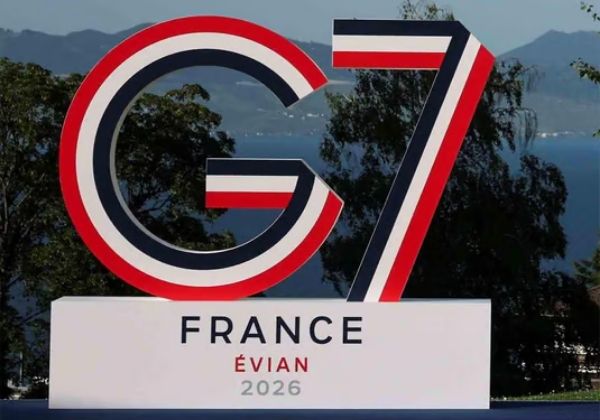
Sovereignty stops being a think-tank topic and becomes a head-of-state agenda item Last week the lesson was blunt: the ground you build on can be pulled out overnight by a decision made in another capital. This week the story moved out of Anthropic’s blog and into the G7, a Seoul press conference, and a US […]
AI in Trading 2026: When the implications of the Kill Switch Got Real
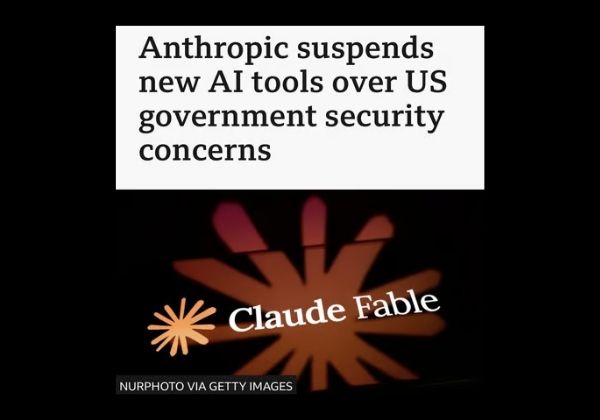
The new race for sovereignty, and rethinking how models are used If last week was about how fast AI adoption is moving – particularly in agentic workflows – this week delivered a short, sharp reality check. Anthropic was forced to abruptly suspend worldwide access to its two newest and most capable models, Fable 5 and the underlying […]
AI in Trading 2026: Provenance Over Models – From Exponential Capability to Executable Governance
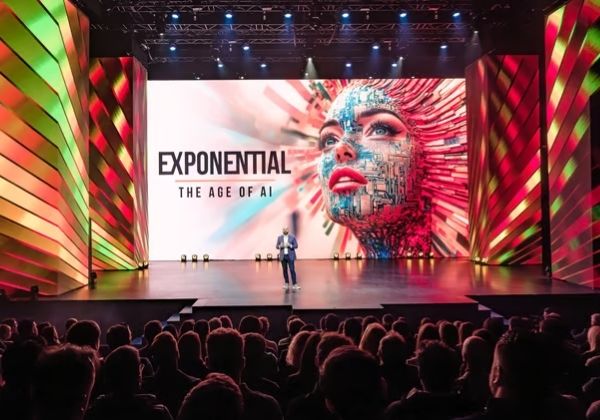
Access to Trusted Data, Agent-Native Architecture, and Execution Governance at Runtime On June 3rd at Freemasons Hall London, the RavenPack Exponential brought home the reality of how fast the industry is moving. Access to information and the ability to act on it has always been the advantage – and agents entering investment workflows offer an exponential increase […]
AI in Trading 2026: From Containment to Carrier – the Governance Layer is Starting to Take Shape
Containment Is Converging. Coordination Isn’t – Why Agentic Governance Will Need to Travel With the Trade If a week is a long time in politics – it is becoming a lifetime in writing about AI in Trading. Every day this week there has been yet another flurry of LinkedIn posts on the need to govern […]
AI in Trading 2026: Closing the Enforcement Gap
Regulators are starting to deploy AI to surface what to investigate – when most firms have yet to even start proving what agents did. AI is increasingly becoming embedded in trading workflows. The governance frameworks on how agents reason together, influence each other, and produce decisions do not yet exist – and new research illustrates […]
AI in Trading 2026: The Boundary Wall Problem

Agentic AI is live in market infrastructure but the accountability architecture still stops at the firm wall This week the deployment pace caught up with the governance debate. Agentic AI entered mainstream market infrastructure in production at institutional scale from Broadridge. AI cyber risk crossed into the language of central banks and regulators as a […]
AI in Trading 2026: Time to Build the Governance, Not Just the Gadgets
Addressing when the model finds the vulnerability faster than the patch can follow Up until this week, discussions on AI in trading focused on what AI can deliver and how fast. This week saw a slew of regulatory bodies citing rising risks – particularly post-Mythos. Interestingly, the report from Cambridge Judge Business School not only […]
AI in Trading 2026: Who Controls the Agent?
From model risk to trajectory risk – the move to governing just what agents are allowed to do Building on last week’s TradeTech note, the debate continues to move from “how do we use AI?” to “what happens when AI becomes part of the execution, data, risk and control stack?” The regulatory signals, research, and […]