
AI in Trading 2026: What we learnt from Tradetech Amsterdam

From LLMs & SLMs into systems, structure, and people #TradeTech2026 moved the AI debate further into trading – beyond LLMs & SLMs into systems, structure, and people. The emerging edge is increasingly less about access to data and models but how effectively firms integrate modular, real-time infrastructure to embed intelligence into workflows faster and more […]
AI in Trading 2026: From Innovation to Systemic Infrastructure

Moving Markets from Algorithm Oversight to AI System Control This week’s IMF Spring Meetings underscored what Rodrigo Buenaventura described as a “turning point” for global markets. AI, tokenisation, stablecoins, and quantum computing are converging to reshape market structure into a deeply interconnected system. But at the same time, the Financial Times highlights a growing policy gap […]
AI in Secondary Markets 2026: ChatGPT, OpenClaw – now Mythos Changes the Game

From Deployment to Containment – Why the AI Debate Just Shifted Again In the space of just a few days, the conversation around AI has shifted. The focus is no longer simply on how fast these systems can be deployed, but on how to control, govern, and constrain systems that are already approaching the limits […]
AI in Trading 2026: From Co-Pilots to Control Layers

AI moves further into the execution stack with Agents for All OpenClaw has accelerated the shift to AI agents by showing that value no longer resides in the model alone, but in the surrounding architecture that enables autonomous deployment across systems. This reframes AI from an analytical tool into an operational control layer. With that […]
AI in Secondary Markets 2026: Managing Markets – From Models to PCs
Why agents, data architecture, and operational control – not just LLMs – will define the next phase of AI in Trading AI in trading continues to shift further from analysis toward execution. Recent developments – from Goldman Sachs and Yale University research on LLM limitations to Anthropic’s push into agentic systems, alongside Goldman’s own operating […]
AI in Secondary Markets 2026: NemoClaw on the Desk
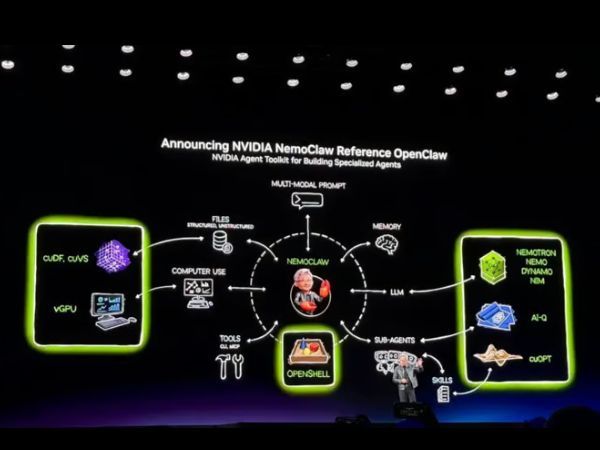
AI agents in trading workflows as compute, regulation, and energy start to push back From Nvidia industrialisation of research and the continued emergence of agentic systems, to diverging regulatory responses and the physical reality of AI implementation and UK councils fighting back – here’s what I learnt this week on AI in Trading: 1. From […]
AI in Secondary Markets 2026: The Adoption Process

How research automation, multi-agent systems and programmable markets are pushing AI deeper into trading workflows Much of the current AI discussion in trading still centres on agents, prompts and models, with questions continuing to be asked about how AI will work in practice. Meanwhile, a deeper shift is already underway toward engineering the infrastructure that […]
AI in Secondary Markets 2026: From Augmented Traders to Agentic Markets New Post
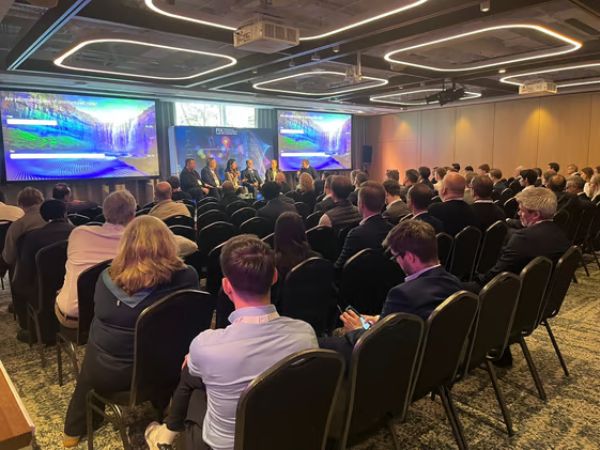
How augmented traders, predictive execution models and AI agents are beginning to reshape secondary markets. AI is moving quickly from experimentation into the operational fabric of secondary markets. What began as tools for analytics and research is now evolving into decision-support systems, execution optimisation engines and early-stage agentic trading architectures. The conversation across the industry […]
AI in Secondary Markets 2026: Governance Moves to Market Speed

Regulators Re-Engineering Execution, Oversight and Volatility Control as Markets become increasingly AI Driven And just like that it is already March – AI continues to push a redesign of how markets are supervised, controlled and stabilised under stress. Each day there seems to be yet another LinkedIn post on innovation in agents for trading workflows […]
AI in Trading 2026: Optimisation from Order Books to Front to Back Workflows
How AI Is Re-Engineering Execution, Infrastructure, and Accountability Across the Trade Lifecycle AI is no longer sitting on top of trading systems. It is reshaping the full trade lifecycle, from execution venues and compute layers to liquidity formation and now settlement architecture – reframing execution strategy away from just the order book to the […]