
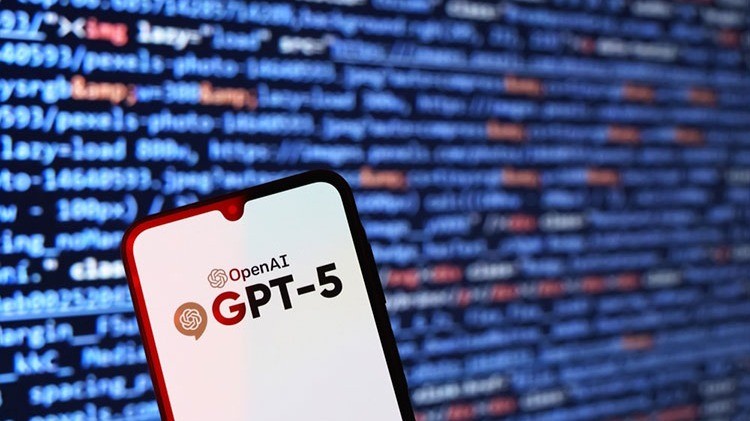
Trading on the Edge: GPT-5, Regulation, Bots, Research Bias & Geopolitics Collide
As GPT-5 becomes trading infrastructure, the FCA raises the bar on oversight, retail bots fuel fragile hype, AI-driven research risks echo-chamber bias, and geopolitics disrupts chip supply, trading desks must balance innovation with governance to turn systemic risk into competitive edge.
I took the (slight) lull in news stories on AI in Trading in August to shift publication date from to Friday as per requests – giving you the opportunity to read this over the weekend.
This week, as AI adoption in trading continues to accelerate and move to the core of workflow infrastructure, geopolitics is directly reshaping the competitive landscape and regulators are sharpening their focus on governance expectations. Here are the five stories that matter most for trading desks this week, highlighting the opportunities and risks the industry must navigate as AI embeds itself deeper into research, order routing, and compliance:
1. GPT-5 as Workflow Infrastructure
Microsoft’s rapid rollout of GPT-5 across Copilot (Office 365, GitHub, Azure) signals a structural shift: LLMs are no longer just assistants, they’re becoming the backbone of workflows. With expanded context windows, Copilot can reason across emails, meetings, spreadsheets, and analyst notes in real time – turning everyday productivity tools into execution-relevant information.
Why this Matters for AI in Trading:
- Pre-trade intelligence: Research aggregation and market prep can now be automated directly within existing workflows from Outlook, Teams, OneDrive.
- Compliance & post-trade: Logging, reconciliations, and audit trails can be generated automatically, reducing operational burden.
- Infrastructure risk: As GPT-5 becomes more embedded – this creates deeper, vendor dependency – shifting Copilot from convenience to critical infrastructure that requires resilience planning and oversight.
2. UK Regulators Raise the Bar on AI-Driven Execution
The FCA’s multi-firm review of algorithmic trading controls (FCA link) identified persistent weaknesses in how firms govern and oversee their trading algorithms. The UK regulator highlighted outdated policies, incomplete documentation, and limited technical understanding of how models operate, particularly where third-party providers are involved…
Why this matters for AI in Trading:
- Best execution will no longer be judged solely on outcomes but on a firm’s ability to evidence the logic behind AI-driven decisions, with comprehensive audit trails showing how and why orders were routed.
- Outsourcing Tech does not include responsibility: the FCA’s emphasis on third-party algorithms also makes clear that model development requires accountability. Execution desks remain responsible for transparency and oversight, regardless of the vendor.
3. AI Trading Bots Are Everywhere – With Growing Concerns
AI trading bots are rapidly proliferating, with headlines ranging from claims of a 193% gain in six months… (CryptoCoin.News) to stories of teenagers achieving 23–24% returns with ChatGPT-powered bots (Decrypt).
Why this matters for AI in Trading:
- Retail success stories will keep fuelling the hype on AI implementation… positioning AI as augmentation, not full automation.
- The viable institutional model is hybrid: AI for signal generation and efficiency with human oversight for risk management and strategic judgment.
4. AI Research Delivers Faster Insight – but Risks an Echo Chamber
Recent data reveals that Reddit now accounts for approximately 40.1% of all training citations… (Complete AI Training, Wall Street Journal). See analysis by Dave Wang (link).
Why this matters for AI in Trading:
- Efficiency: AI is becoming indispensable for surveillance, document parsing, and anomaly detection.
- Bias Risk: overreliance on Reddit-derived training data raises the spectre of amplification bias.
- Safeguards: AI research tools… demand cross-validation against primary sources.
5. Geopolitics, Hardware and Resulting Trading Signals
China’s DeepSeek… forced the company back to Nvidia hardware… (FT). Meanwhile, Musk’s Grok gained traction… (Business Insider, Politico). Yet it was hit by a major privacy scandal (Tom’s Guide).
Why this matters for AI in Trading:
- Systemic driver: Model launches and failures can move mega-cap valuations (e.g., Nvidia’s $600B swing Wikipedia).
- Execution risk: reliance on a single-model API creates exposure to geopolitical mandates, export controls, and data governance failures.
- Strategic hedge: Diversifying across multiple model providers is now a necessary hedge.
Here’s hoping everyone enjoys the rest of the summer break… As always, thank you for reading, and let me know what you found most useful, what you disagreed with, and what you would like to see more of next time.
Best wishes
Rebecca